Skip to content

Workplace Equality

Gender Equality Index

In accordance with the French "Avenir Professionnel" law, Amelia publishes its Gender Equality Index.

Convinced that gender diversity is a driver of innovation and efficiency, we are committed to reducing structural imbalances over the coming years. View the full details below:

Portraits of Women in Amelia

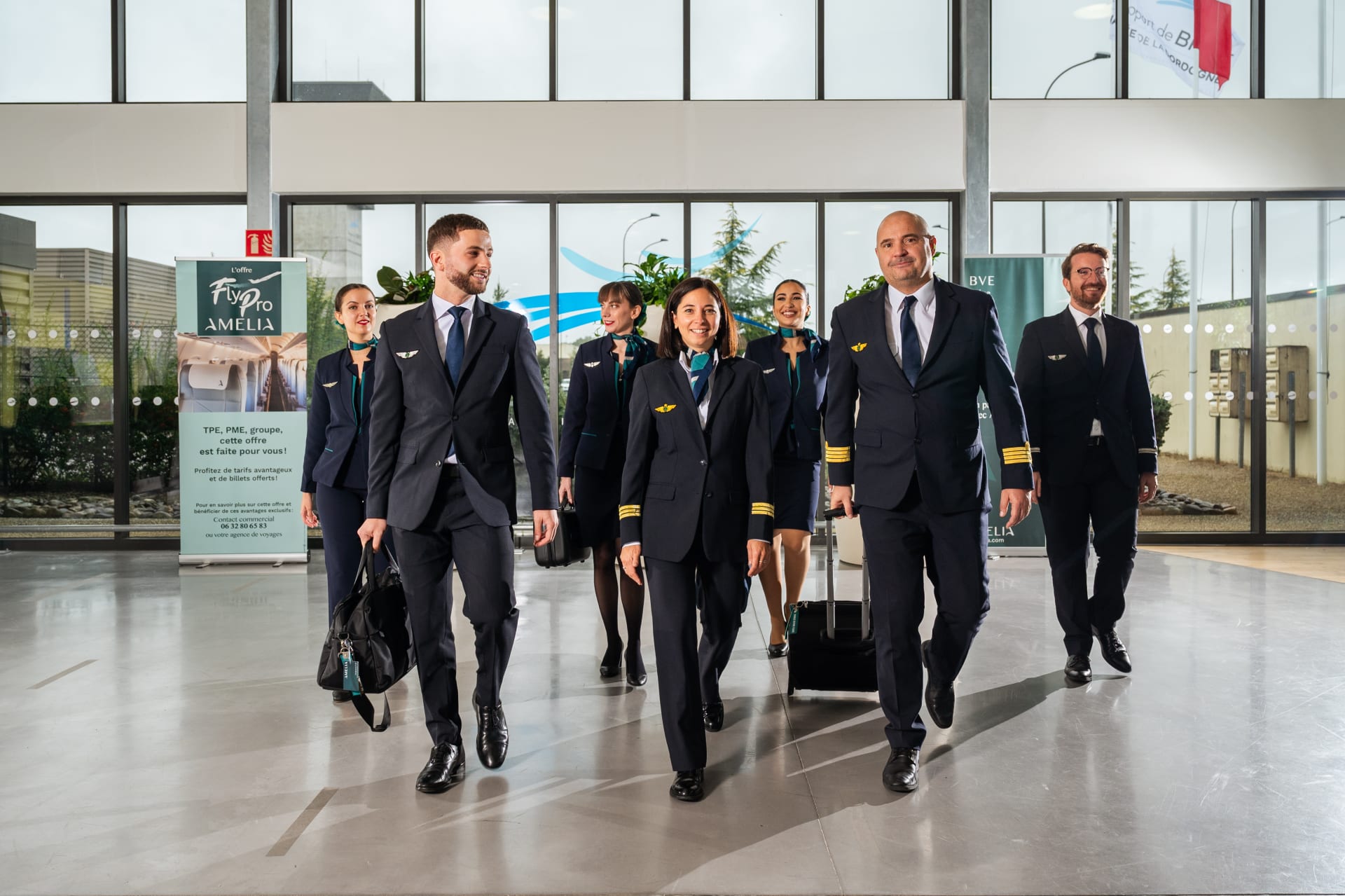
At Amelia, we value female talent, both on the ground and in the sky.

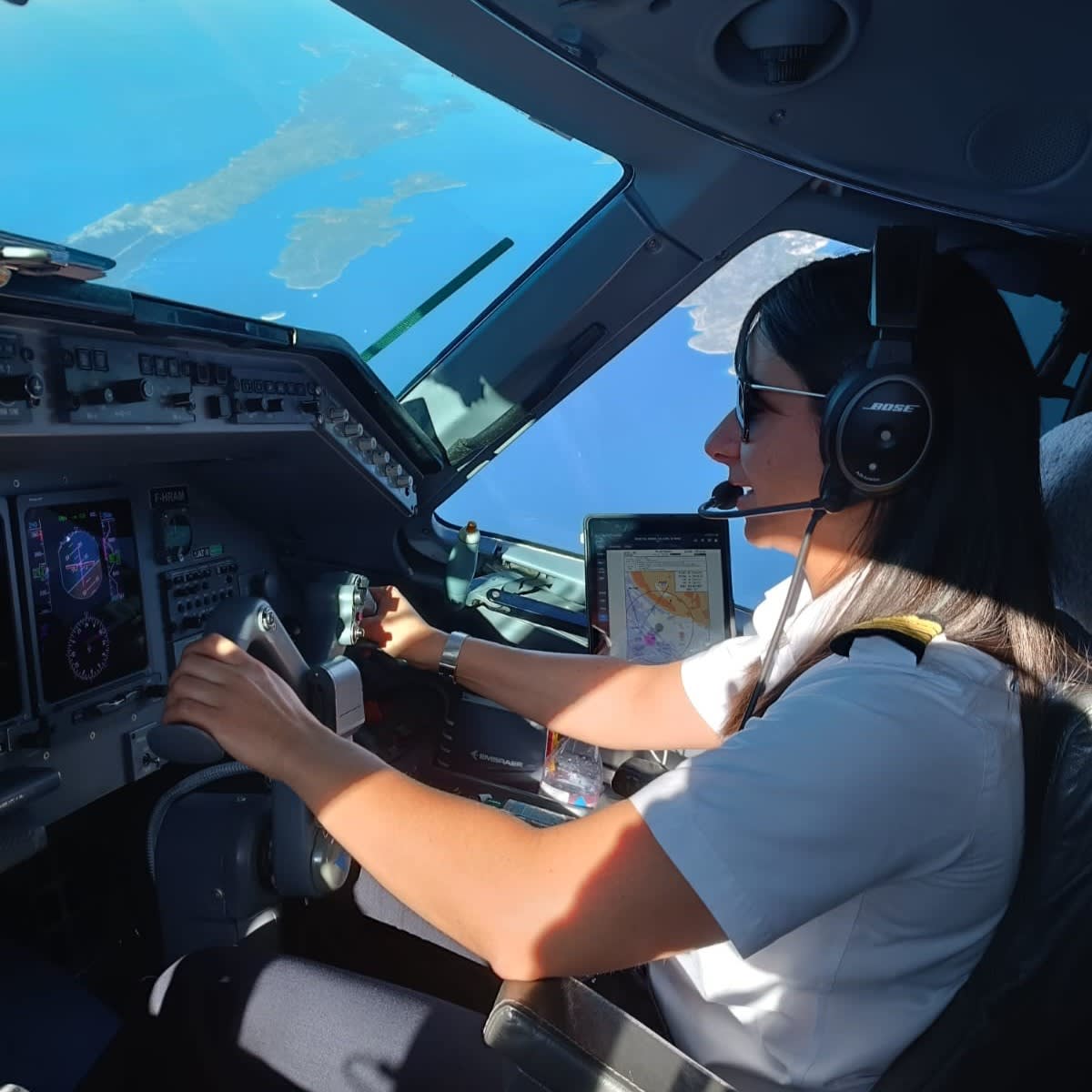
Loraine Rubin, First Officer ERJ

The turning point: What was the key moment when you said to yourself, “I want a career piloting an airplane”? I was fortunate enough to spend time at the airfield as a child since my father and grandfather were private pilots. I got my PPL in 2011, then after my studies and a first job in another field, I seized the opportunity to become a professional pilot after dreaming about it for years!

The flight: What motivates you most in your daily routine on the Embraer fleet (regional flight management, technical aspects of the aircraft, crew coordination)? The variety of flights! Embraer missions are very diverse and allow you to discover many things from both a technical and human standpoint. The joy of flying and good camaraderie with colleagues make the missions very enjoyable.

The highlight: A flight or mission within the company that particularly stood out to you or made you proud? I had the chance to do several ferry flights between France and Mayotte—very special, interesting flights with incredible landscapes!

Focus on Diversity and Professional Equality: The world of pilots remains historically male-dominated. What advice would you give to a young woman who is still hesitating to step through the door of a flying club or pursue airline pilot training? Don't hesitate! In the cockpit, there is no man or woman—only a pilot. Living your passion is an opportunity to grab hold of. With motivation and hard work, becoming a pilot is within reach.

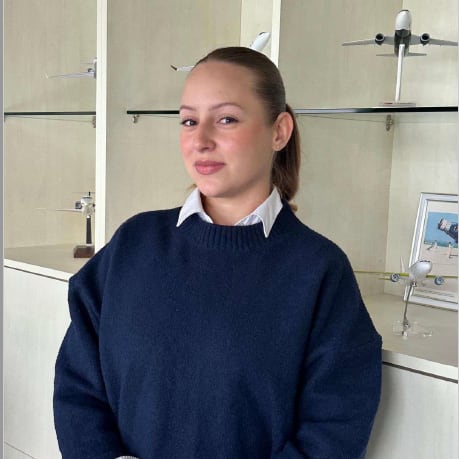
Moïsha Etonno, Flight Operations Technician

Behind the scenes: In an airline, people think first of planes and flight crews. How would you summarize the direct impact of your work on the reliability and safety of our operations? By analyzing flight studies, my work lets me analyze aircraft performance and optimizing trajectory safety, therefore preventing risks and guaranteeing reliable operations.

The daily challenge: What type of project or technical challenge excites you the most in your position? What excites me is optimizing long-haul flights where I analyze performance and trajectories while remaining vigilant about the geographical and geopolitical constraints of the overflown areas.

Teamwork: What, in your opinion, is the key to creating an effective bridge between pure tech and the concrete needs of the field / flight crews? The key is regular communication with the crews and attentive listening to their feedback, in order to understand their real needs and put them into practice.

Focus on Diversity and Professional Equality: Scientific and technical fields (IT, aeronautical tech) are gradually opening up to women. What stereotype would you like to break today regarding women inaeronautical engineering? I would like to break the stereotype that technical skills depend on gender, and show that a woman';s success in aeronautical engineering can rely on her background, skills, expertise, determination...


Manon Colonnier, Flight Operations Officer

Composure: In operations / dispatch, every day brings its share of unexpected events (weather, slots, unforeseen circumstances). What makes a good reaction when facing the unexpected? The unexpected is an integral part of our daily lives. For me, the right reaction is to step back to analyze the situation and identify solutions and priorities. Afterward, communicate with the services involved since there are always different parties involved in every situation. It is never individual work. The main thing is to make the most appropriate decisions, above all to maintain safety and the smooth running of operations.

The driving force: What do you like most about this immersion at the heart of the airline? What is most interesting is having a global overview of the airline's activity. Every day is different; you have to anticipate, analyze, coordinate, and find solutions constantly, all within a small team. It's a stimulating environment where you are constantly learning and facing challenges of all kinds. But you directly see the impact of our work on operational performance and continuity. Operations is a major and essential department for the proper functioning of an airline.

Team spirit: How would you describe the relationship of trust you build daily with the flight crews and ground teams? This trust relies first and foremost on good communication and a mutual understanding of our roles and respective constraints. For every flight, there is significant work in anticipation, coordination, and handling unforeseen events—often invisible to many, but essential to the smooth execution of flights.

Focus on Diversity and Professional Equality: Operational and dispatch jobs require rigor and responsiveness. What message would you like to share to encourage more women to join these strategic roles?

Airline operations roles demand rigor, anticipation, responsiveness, and good stress management: these are skills that are not a matter of gender, but of know-how, motivation, and commitment. The aviation sector is still marked by certain stereotypes, and it is necessary to continue deconstructing them. Women do not have to prove their legitimacy to succeed in these functions. They should be able to access the same opportunities, gain responsibilities, and grow professionally solely based on their skills.

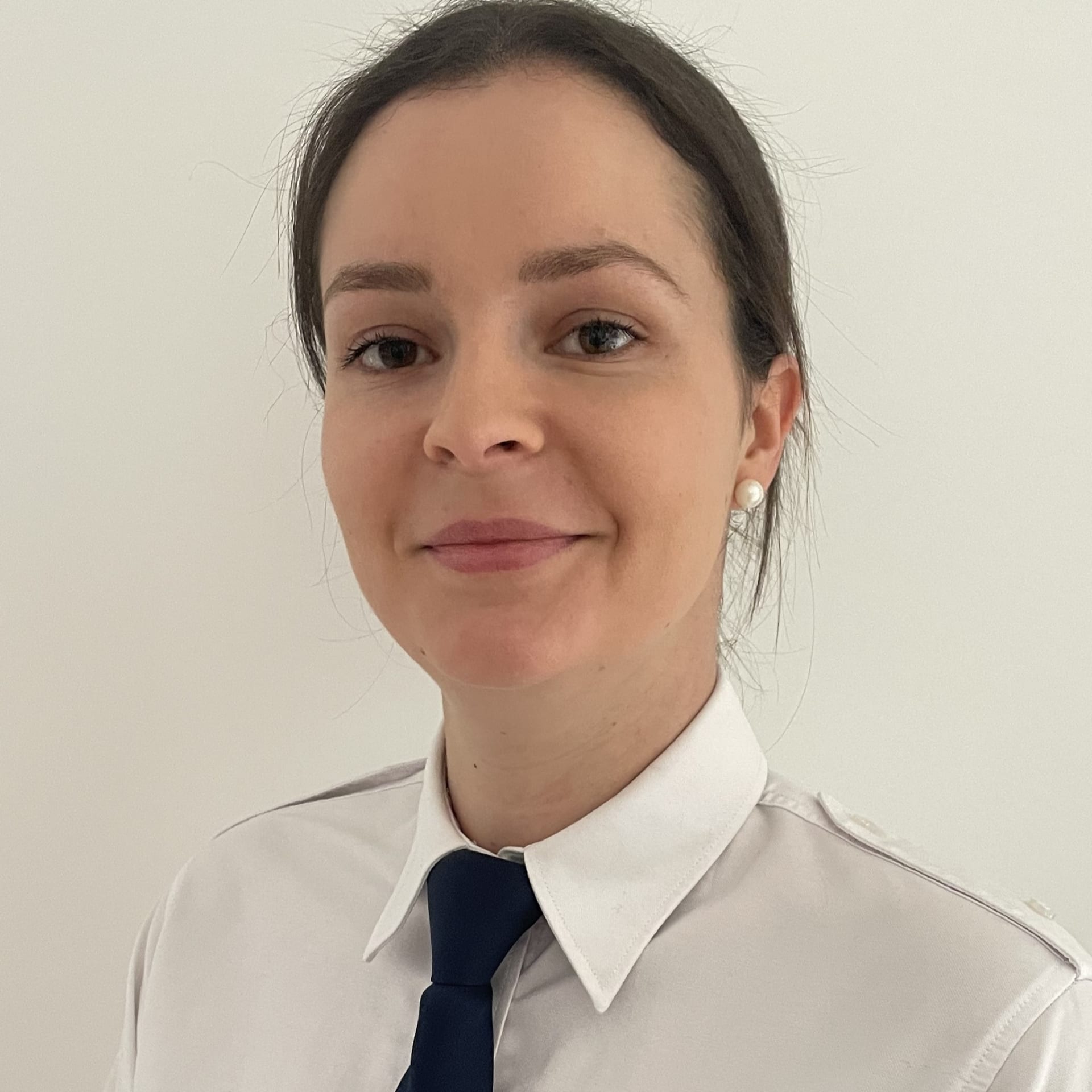
Ivanna Skulska, Crew Planning Dispatcher

Composure: Every day brings its share of unexpected events (weather, slots, unforeseen circumstances). What makes a good reaction when facing the unexpected? In our profession, unexpected events are part of daily life. I think a good reaction is, above all, keeping calm, stepping back, and quickly analyzing the situation to identify priorities. You need to be responsive while maintaining a global view to make the best possible decision regarding safety and regularity. Above all, we know we can always rely on our managers to support us and help us find solutions when difficulties arise. Teamwork and mutual support are essential to handling unexpected events calmly. 

The driving force: What do you like most about this immersion at the heart of the airline? Contributing to the organization and smooth execution of operations through schedule planning. I like that it requires anticipating, showing rigor, and finding solutions to best meet field needs. Even though scheduling requires organization upstream, you also need to adapt when an unforeseen event occurs. It is this combination of anticipation, reflection, and teamwork that makes my job interesting and rewarding. 

Team spirit: How would you describe the relationship of trust you build daily with the flight crews and ground teams? For me, team spirit is above all being able to count on each other and knowing that no one is alone when facing difficulties. We have great team cohesion with lots of mutual help and solidarity daily. Everyone brings their skills and experience, and we don't hesitate to support or help each other whenever necessary. This mutual trust is essential in our line of work and contributes to a good working atmosphere where we move forward together toward a common goal. 

Focus on Diversity and Professional Equality: Operational and dispatch jobs require rigor and responsiveness. What message would you like to share to encourage more women to join these strategic roles? I would tell women who hesitate to join these professions not to self-censor and to go for it. These are exciting jobs that demand rigor, responsiveness, and good analytical skills, but these qualities are not a matter of gender. You have to dare to take your place, have confidence in your skills, and seize opportunities. Diversity of profiles is a real asset for our teams. 

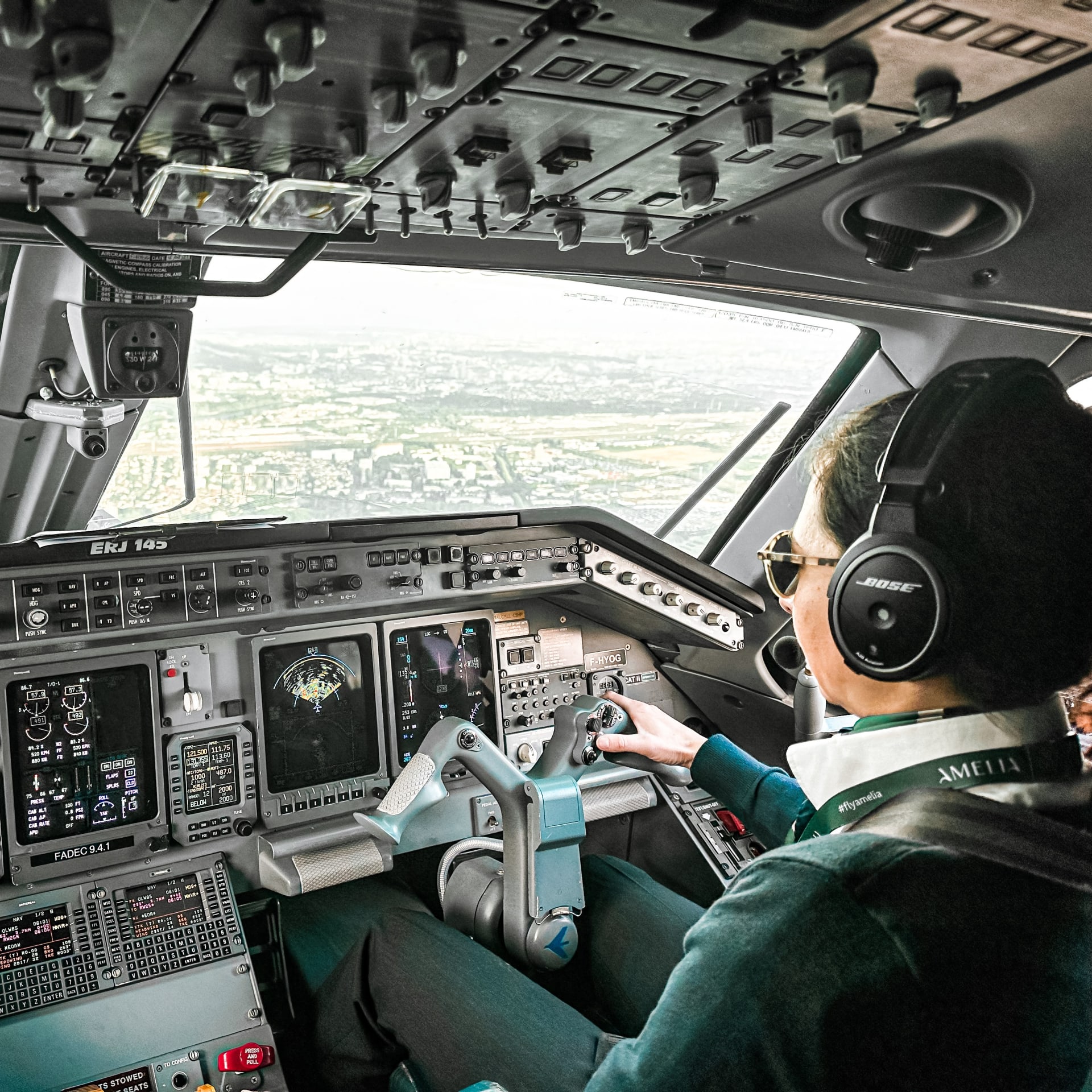
Pauline Ahang, First Officer ERJ

The turning point: What was the key moment when you said to yourself, “I want a career piloting an airplane”? During an internship in 9th grade, I had the chance to do a early-morning flight from Nantes to Lille. The warm atmosphere of the cockpit, the illuminated buttons and screens in an early morning sky immediately made me dream. It was at that moment that I knew I would make a career out of it later. Afterwards, I spoke a lot with pilots and started taking a few flying hours at an aero-club. The more I flew, the more my choice was confirmed.

The flight: What motivates you most in your daily routine on the Embraer fleet? What drives me in this job is first and foremost crew life, but also all the rigor and logistical organization that a flight implies. I love feeling the adrenaline that complex phases bring, such as takeoff and landing, or managing delicate situations like bad weather. There is no routine: every flight is a clean slate.

The highlight: A flight or mission within the company that particularly stood out to you or made you proud? It was my very first line adaptation flight at Amelia. The weather was bad and it was the first time I flew with one captain instructor, whom I didn't know. During the flight, I was not at the controls, but to lighten his workload and smooth out his decision-making process, I prepared all the weather reports for diversion airfields in advance, anticipating risks and benefits. Arriving safely at our destination, he congratulated me on my proactivity and work. That day, I felt proud, not only of having performed well, but also of having successfully walked the path that led me there.

Focus on Diversity and Professional Equality: The world of pilots remains historically male-dominated. What advice would you give to a young woman who is still hesitating to step through the door of a flying club or pursue airline pilot training? Never question whether this job is accessible to a woman or not. Of course, it is a highly technical profession, but it also requires a tremendous amount of human skills and interpersonal finesse. Obviously, there may be remarks or stereotypes along the way, but we silence the doubts as we obtain our licenses. Being a woman in this environment has never been a barrier for me. We have just as much of a place in a cockpit as a man. Above all, you should never apologize for being there. As Amelia Earhart put it so well: "Women, like men, should try to do the impossible. And when they fail, their failure should be a challenge to others."


"Women, like men, should try to do the impossible. And when they fail, their failure should be a challenge to others." — Amelia Earhart